
Wayback Machine- Explore Websites with Internet Archive
What Is the Wayback Machine?
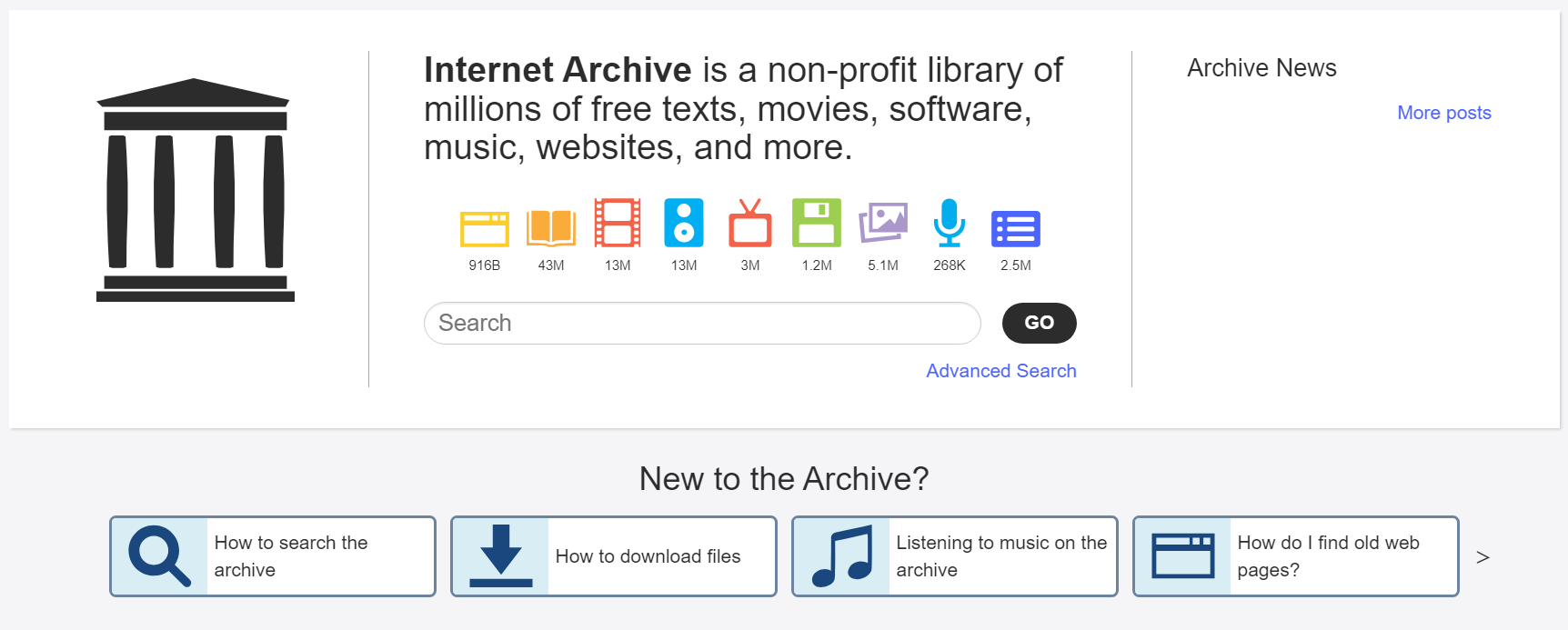
The Wayback Machine is a free online service provided by the Internet Archive, a nonprofit organization dedicated to preserving digital history. This tool stores “snapshots” of websites over time so you can revisit older versions of web pages whenever you need them.
In simple terms, the Wayback Machine is:
- ✅ A time-travel tool for websites
- ✅ A public archive of web pages
- ✅ A way to recover content that disappeared
- ✅ A method to verify what a page looked like on a specific date
The Wayback Machine has archived hundreds of billions of web pages and continues expanding daily.
Why the Wayback Machine Is a Positive Tool for the Internet
Many technologies can shape the future. The Wayback Machine shapes the future by protecting the past.
Here are some positive reasons why this tool matters:
1. It Preserves Knowledge for Everyone
The internet is filled with valuable information: education, science, history, culture, and human creativity. The Wayback Machine helps preserve this content for future generations.
It supports:
students doing research
teachers building learning resources
writers referencing older sources
historians documenting culture
everyday users finding lost pages
2. It Encourages Transparency and Trust
The Wayback Machine helps people verify changes on websites. This promotes accountability and reduces misinformation.
For example, users can:
compare before/after versions of a page
see edits on public statements
confirm older policies or announcements
check if content was removed later
This builds trust in digital records.
3. It Helps Recover and Restore Content
Sometimes a website owner loses pages due to mistakes, hacks, or expired hosting. If archived snapshots exist, the Wayback Machine can help restore that content.
Many site owners use it as a supportive backup resource.
4. It Keeps the Web’s Creativity Alive
Old personal blogs, creative projects, early web designs, and classic internet content often disappear over time. The Wayback Machine preserves those moments, allowing people to rediscover the web’s history.
It’s like a museum—except it’s global and accessible to everyone.
Who Created the Wayback Machine?
The Wayback Machine was created by the Internet Archive, founded in 1996. The organization’s mission is to provide “universal access to all knowledge.”
The Wayback Machine officially launched to the public in 2001. Since then, it has become the most recognized website archive platform globally.
How the Wayback Machine Works (Easy Explanation)
The Wayback Machine uses automated systems known as “web crawlers” to visit websites and save copies of their pages.
When it archives a page, it may store:
page HTML and text
layout and styling (CSS)
images (often)
metadata
some scripts (limited support)
Each stored version is called a snapshot.
Snapshot Timeline
When you search a URL on the Wayback Machine, you’ll see:
a timeline of years
a calendar showing dates with snapshots
multiple captures per day in some cases
This helps you track changes and pick the best archived version.
How to Use the Wayback Machine: Step-by-Step (Beginner Friendly)
Using the Wayback Machine is simple—even if you’re new to it.
Step 1: Search for “Wayback Machine” on Bing
Open Bing and search Wayback Machine. The official Internet Archive page will appear.
Step 2: Enter the Website URL
Paste the URL you want to view.
Examples:
https://example.com
https://example.com/article-title
Tip: Use the full URL if you want a specific page, not just the domain.
Step 3: Choose a Year
Look at the timeline and click a year with saved archives.
Step 4: Select a Date from the Calendar
Click a highlighted date. If multiple snapshots exist, choose the time that looks most relevant.
Step 5: Explore the Archived Website
You can browse older versions and sometimes click internal links (depending on what was archived).
How to Save a Web Page to the Wayback Machine (Save Page Now)
One of the best features is that you can manually create an archive snapshot of a page.
This is extremely useful when you want to:
preserve an important source
save a page that might be deleted
create proof of a statement or announcement
back up your own work
Steps to Archive a Page
Copy the web page URL
Find the “Save Page Now” box
Paste the URL
Click save
Wait for the snapshot to complete
You’ll get a permanent archive link you can share.
Practical Ways to Use the Wayback Machine (Real-World Benefits)
The Wayback Machine isn’t just for curiosity—it has serious value for many industries.
1. Students and Researchers
Students can find older sources that may no longer be online. Researchers can cite archived pages as stable references for academic work.
This makes research more reliable and reduces the risk of broken links in citations.
2. Journalists and Fact Checkers
Journalists often need proof of what was published at a certain time. The Wayback Machine helps confirm historical versions of content for accurate reporting.
It’s a strong tool for:
verifying quotes
confirming edits
tracking public announcements
preventing misinterpretation
4. Business Owners and Brand Managers
Want to see how your brand evolved online? Or check what your website looked like years ago?
The Wayback Machine helps track:
logo changes
design updates
messaging shifts
product or service history
5. Developers and Designers
Web designers sometimes use the Wayback Machine to reference older UI patterns, layouts, and navigation structures. It’s also useful for analyzing early versions of websites for inspiration.
What the Wayback Machine Can and Cannot Archive
The Wayback Machine is excellent, but it has limits.
What It Usually Archives Well
- ✅ static pages
- ✅ blogs and articles
- ✅ landing pages
- ✅ product pages (sometimes)
- ✅ HTML content and layouts
- ✅ images (often)
What It May Not Archive Perfectly
- ⚠️ interactive web apps
- ⚠️ heavy JavaScript sites
- ⚠️ content behind logins
- ⚠️ some media files
- ⚠️ dynamic pages that load data from servers
This is not a weakness—it’s simply a reflection of how modern websites work.
Is the Wayback Machine Safe?
Yes, the Wayback Machine is generally safe to use. It’s a well-known and trusted public archive.
Still, it’s smart to follow safe browsing habits:
don’t log in on archived pages
avoid downloading suspicious files
use it mainly to view and reference content
Wayback Machine vs Other Website Archive Tools
To understand the Wayback Machine’s value, it helps to compare it to other options.
Wayback Machine
best for long-term website history
huge archive size
reliable snapshots across decades
Google Cache
short-term cached versions
often only the most recent snapshot
not ideal for historical research
Archive.today (Archive.ph)
fast manual archiving
smaller historical coverage
useful as an alternative
The Wayback Machine remains the top choice for deep web history.
Tips to Use the Wayback Machine Like a Pro
Here are Bing-friendly, practical tips:
- ✅ Search specific URLs, not only homepages
- ✅ Test multiple snapshot dates for best quality
- ✅ Check archived text for missing sections
- ✅ Use snapshots as references and proof
- ✅ Use “Save Page Now” for content you want to preserve
- ✅ Combine with SEO tools to find lost backlink pages
Frequently Asked Questions (FAQ)
Is the Wayback Machine free to use?
Yes, it’s completely free for viewing archived pages.
Can the Wayback Machine show deleted websites?
Yes—if the site was archived before it disappeared.
Why does an archived page look broken?
Some resources (scripts, images, external files) may not have been saved, especially on modern web apps.
Can I archive my own website?
Yes. You can archive your pages manually using “Save Page Now.”
Does the Wayback Machine archive everything?
No. Some pages are not captured due to restrictions, crawl limitations, or site settings.
Final Thoughts: A Powerful, Positive Tool for the Future
The internet is one of the greatest collections of knowledge ever created—but without preservation, much of it disappears.
That’s why the Wayback Machine is so important.
It supports learning, research, transparency, creativity, and digital history. It helps people retrieve lost information and makes the web more reliable by ensuring that content doesn’t vanish forever.
In 2026 and beyond, the Wayback Machine will continue to be a positive force—protecting not only websites, but also the stories, knowledge, and progress they contain.
If you haven’t explored it yet, try it today. You might be surprised how much of the internet’s past is still waiting for you.